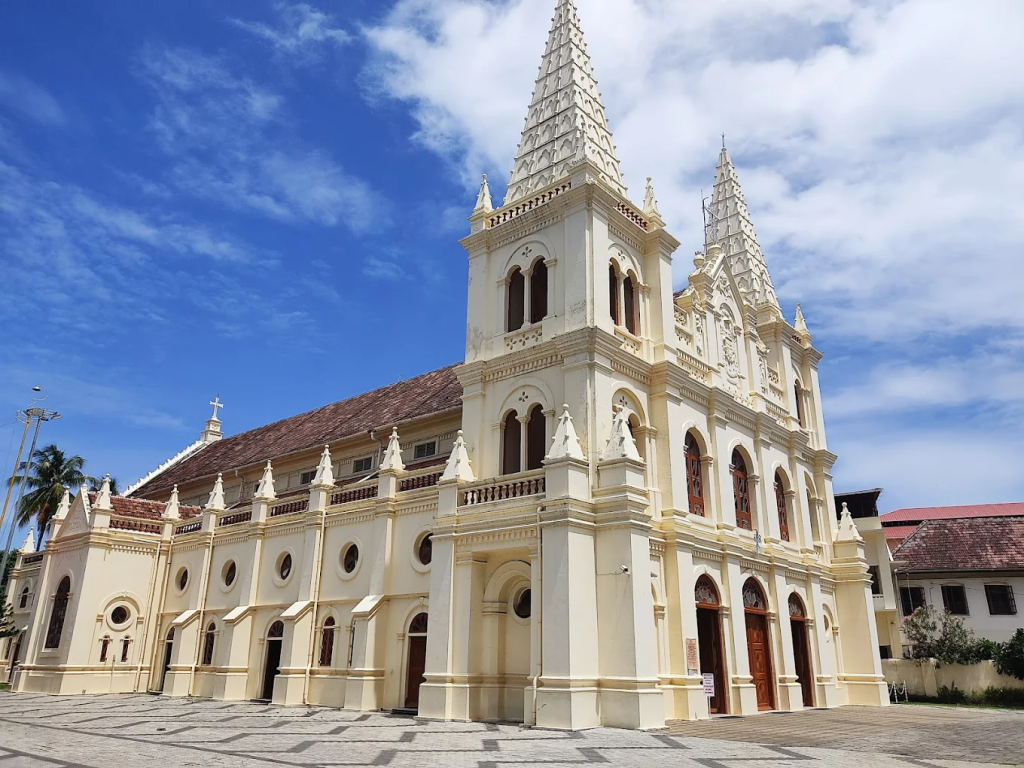
A Magical Tapestry of Culture and History Visit the serene shores of the Arabian Sea’s Queen and explore the fascinating Fort Kochi district. Rich in culture, history, and natural beauty, this quaint community provides a once-in-a-lifetime experience. Just 10 miles from Ernakulam town, the site offers guests to enjoy varied attractions, cultural heritage, architecture, and delicious cuisine, ensuring an enriching vacation.
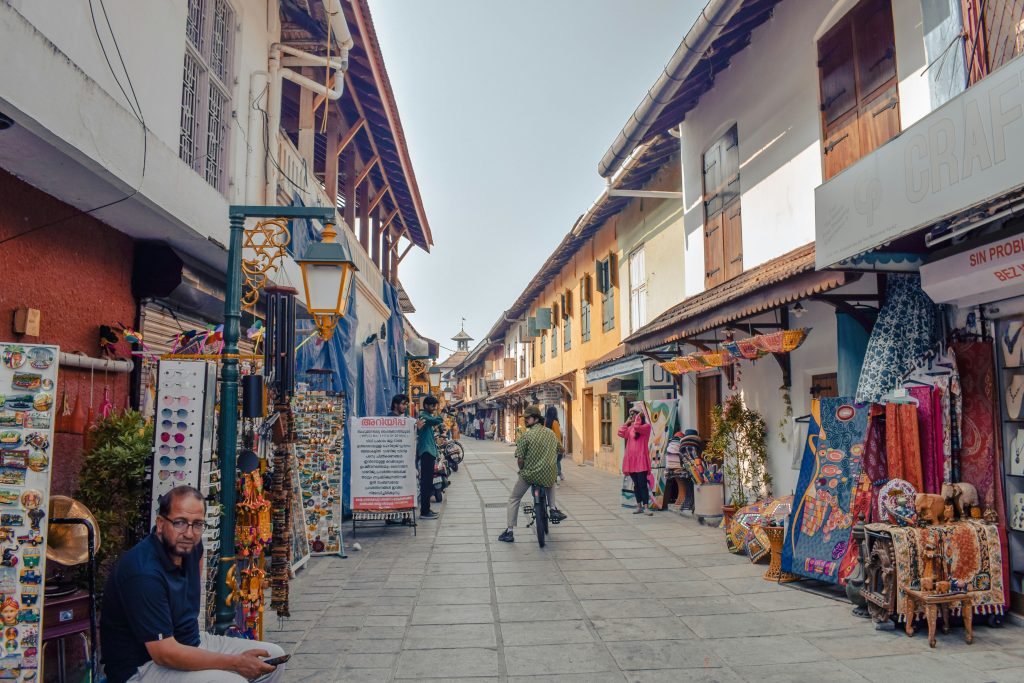
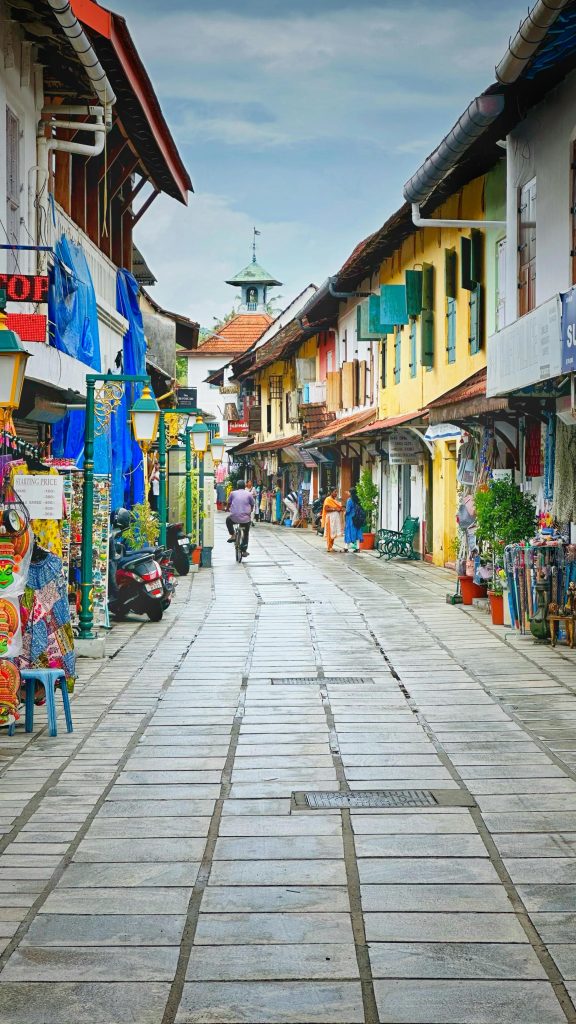
As you can see, traditional building coexists alongside modern cafes and stores, creating a harmonious blend of the past and present.
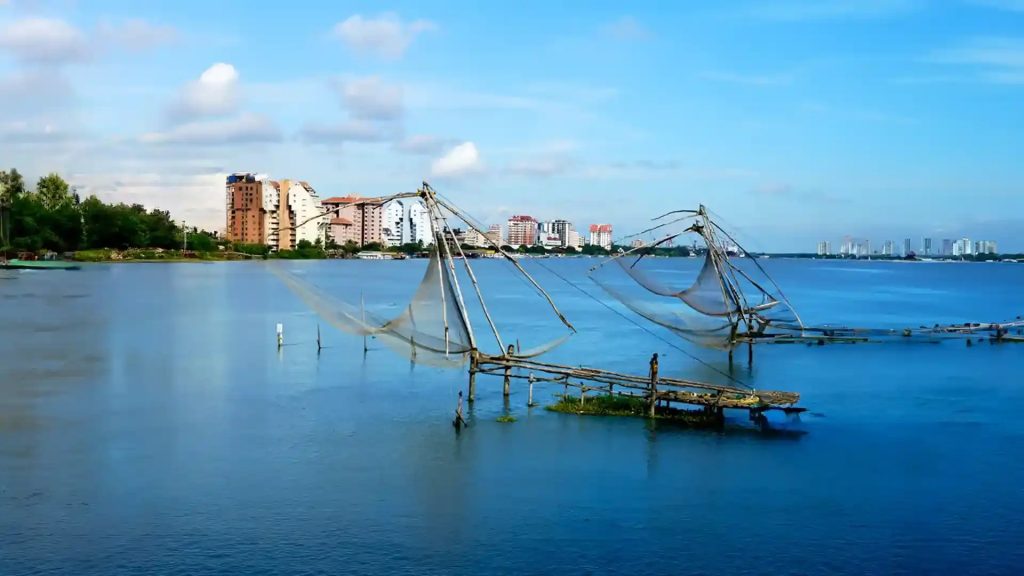
Fort Kochi’s History and Development Fort Kochi, or Fort Cochin in English, has its origins in Fort Manuel of Cochin, the first European fort built in India. The Old Cochin or West Cochin is a group of water-bound islands and islets southwest of the Kochi mainland that includes this coastal gem, which was established by the Portuguese East Indies.
Together, Mattancherry and the bustling neighborhood provide a window into the history and multicultural traditions of the area. As soon as you enter Fort Kochi, you will be taken back in time. It is thought that the name of the place comes from “kochu azhi,” which means “little lagoon” in Malayalam. Portuguese, Dutch, and British colonial architectural styles are mixed together along the streets. As you can see, traditional building coexists alongside modern cafes and stores, creating a harmonious blend of the past and present.
A Magical Tapestry of Culture and History Visit the serene shores of the Arabian Sea’s Queen and explore the fascinating Fort Kochi district. Rich in culture, history, and natural beauty, this quaint community provides a once-in-a-lifetime experience. Just 10 miles from Ernakulam town, the site offers guests to enjoy varied attractions, cultural heritage, architecture, and delicious cuisine, ensuring an enriching vacation.
Fort Kochi’s History and Development Fort Kochi, or Fort Cochin in English, has its origins in Fort Manuel of Cochin, the first European fort built in India. The Old Cochin or West Cochin is a group of water-bound islands and islets southwest of the Kochi mainland that includes this coastal gem, which was established by the Portuguese East Indies.
Together, Mattancherry and the bustling neighborhood provide a window into the history and multicultural traditions of the area. As soon as you enter Fort Kochi, you will be taken back in time. It is thought that the name of the place comes from “kochu azhi,” which means “little lagoon” in Malayalam. Portuguese, Dutch, and British colonial architectural styles are mixed together along the streets. As you can see, traditional building coexists alongside modern cafes and stores, creating a harmonious blend of the past and present.
A Blend of Wonders and Encounters Fort Kochi’s attractions are as varied as its past. The oldest European church in India, the St. Francis Church, is a reminder of how colonial power changed over time. An understanding of the lives of past colonists can be gained from the Dutch Cemetery and Thakur House. Stories of travel and adventure are told at Vasco House and the Maritime Museum. Standing tall for more than five centuries, the famous Chinese fishing nets inspire awe and admiration. Explore the cobblestone streets and find undiscovered gems such as the Santa Cruz Basilica, the Mattancherry Palace, and the Jewish Synagogue. Enjoy a leisurely walk along Mahatma Gandhi Beach’s shoreline. Explore the Uru Art Harbour, where creativity flourishes, and immerse yourself in the art scene at Mocha Art Café. Experience the lively culture of the Kerala Kathakali Centre while indulging in traditional Kerala food at Jetty. Fort Kochi provides frequent ferry services from its boat jetty to different locations in Kochi to enhance your trip. This offers a fantastic chance to have a distinctive and delightful water transportation experience.
Why Fort Kochi is a melting pot of cultures Fort Kochi, which was formerly a part of the thriving spice route, developed into a major hub for traders and explorers starting in the 14th century. This multicultural Indian metropolis drew immigrants from all over the world, each of whom brought with them their own traditions, values, and artistic styles. As a result, there are historic synagogues, colonial forts, and fishing nets that were influenced by faraway places scattered around the town. The architectural, religious, and social nexus that international groups have left behind can be seen during a walk through Fort Kochi. Jewish Heritage: Paradesi Synagogue and Jew Town In Fort Kochi’s Jew Town, the Jewish community—especially the Sephardic Jews—established a strong presence. Constructed in 1568, the Paradesi Synagogue is a must-see Fort Kochi landmark and a focal point of Indian Jewish culture. This synagogue exhibits a fusion of international influences with its elaborate Torah scrolls, hand-painted Chinese tiles, and Belgian chandeliers. The cobbled lanes of Jew Town, which are dotted with antique and spice shops, provide a window into Fort Kochi’s rich Jewish past. A Unique Cultural Experience: Jew Town’s Heritage Walk Tour the Paradesi Synagogue and the spice-scented alleys of Jew Town. Take a guided stroll to discover more about the Jewish migration to Kerala, browse antiques, and get a personal look at Jewish life in Fort Kochi.
Portuguese Influence: Ancient Architecture and Churches
Fort Kochi was one of the Portuguese’s earliest colonial strongholds in India when they landed in the early 16th century. Along with establishing notable structures like the St. Francis Church, the oldest European church in India, which was built in 1503, they brought Christianity to the country. This church is a significant Portuguese heritage landmark in Fort Kochi and was once the location of Vasco da Gama’s grave. The town’s multicultural appeal is further enhanced by the presence of Portuguese-style villas with tiled roofs and arched verandas.
The Confluence of Cultures in Fort Kochi – A Living Mosaic of History and Heritage Fort Kochi, a coastal gem in Kerala, India, is a vibrant tapestry woven from the threads of diverse cultures that have shaped its history over centuries. This small town, nestled along the Arabian Sea, has been a melting pot of Jewish, Dutch, Portuguese, Chinese, and Syrian influences, each leaving an indelible mark on its architecture, cuisine, and traditions. A heritage walk in Fort Kochi is like stepping into a living museum of multiculturalism, offering a fascinating journey through its diverse historical crossroads.
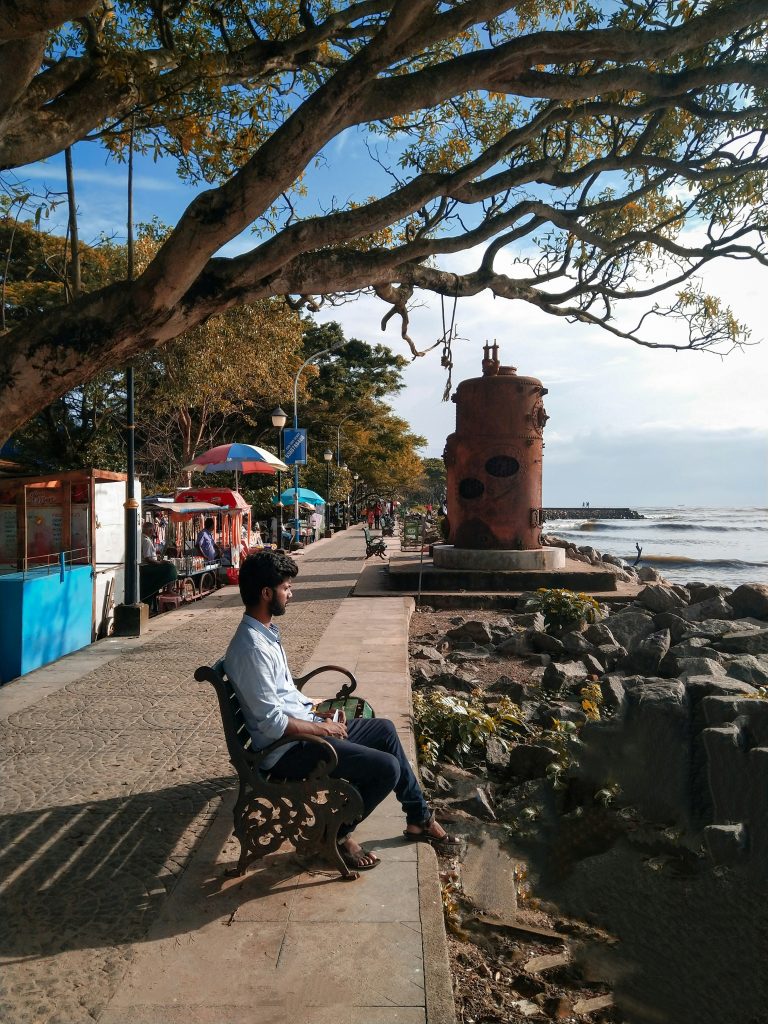
Dutch Heritage: Colonial Style Buildings and Fusion Cuisine After seizing Fort Kochi in 1663, the Dutch left behind a legacy of colonial trade and architecture. To learn more about Dutch influence in Fort Kochi, visit the Dutch Cemetery and Bolgatty Palace. Their practical urban design is seen in their robust waterfront warehouses and grid-like street patterns. A remarkable museum of royal artifacts can be found at Fort Kochi’s Dutch Palace (Mattancherry Palace), which was constructed in the Kerala style.Fort Kochi food is a cultural experience in and of itself, thanks to the Dutch influence on the local cuisine, which includes meals like stew and appam that combine European and Keralan flavors.
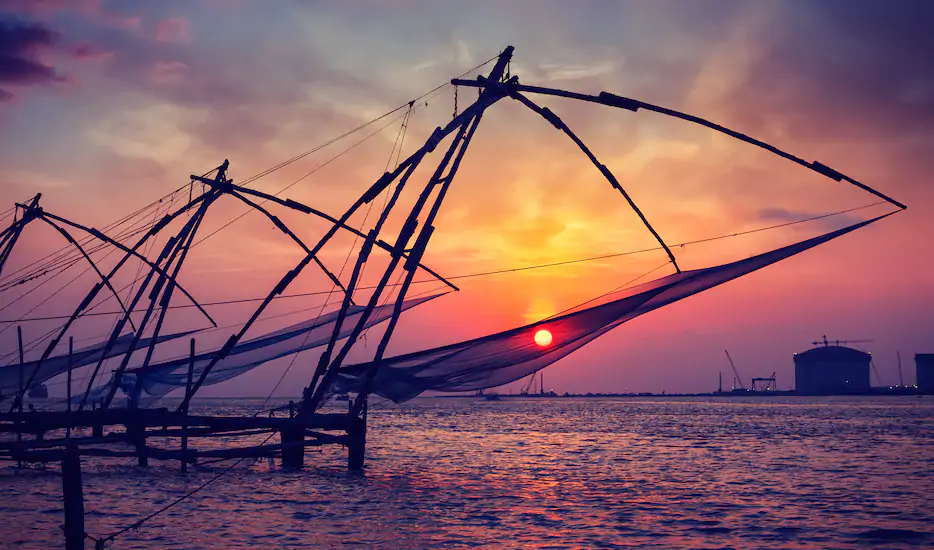
The Iconic Fishing Nets: A Chinese Connection Chinese fishing nets, which were brought to Fort Kochi by traders from the court of Kublai Khan in the fourteenth century, are a remarkable reminder of the city’s cosmopolitan past. These cantilevered nets, which are still in use along the shore and are controlled by weights and pulleys, provide for a beautiful sunset sight. The attraction of Fort Kochi as a premier cultural destination in India is increased by a visit to these nets, which provide insight into the city’s historic trade ties with East Asia.
Harmony of Cultures and Modern Expressions
Fort Kochi is unique because it seamlessly combines tradition with modern living. Literature festivals, Indo-European shops, fusion restaurants, and art installations fill the streets. By bringing contemporary artists to these historic locations, events like the Kochi-Muziris Biennale build a connection between the avant-garde and the ancient. Fort Kochi’s international cultural ties are celebrated at this biennial art event, which takes place in historic spaces like Portuguese warehouses from December to March.
Experiences of Immersion Travel in Fort Kochi
Make the most of your trip to Fort Kochi by using these suggestions for exploration:
Backwater Kayaking Tour: Experience the tranquil backwaters close to Fort Kochi and discover how its maritime location drew traders from the Middle East, Europe, and China. Guided kayaking tours with stops at Portuguese- or Syrian-Christian-influenced towns are available from local operators.
Street Food Trail: Take a culinary tour to experience the variety of cuisines available in Fort Kochi. Try Dutch-influenced appam with coconut stew, Portuguese-inspired bibinca (a layered dessert), or parotta with Syrian Christian meat curry. Visits to neighborhood tea shops and spice markets are a common part of trips.
Workshops for Art and Crafts: Take part in a session to learn crafts inspired by the town’s multicultural past, such as weaving coir mats or painting traditional murals in Kerala. Some workshops are held in historic residences that provide an insight into Dutch or Portuguese architectural design.
Sunset Cruise with Cultural shows: Reserve a sunset cruise along the coast of Fort Kochi to take in Kathakali or Mohiniyattam, two classic Keralan shows.
These excursions frequently provide historical commentary about the town, emphasizing its Dutch, Chinese, and Jewish ties. Experience a Heritage Homestay: Reside in a mansion from the Portuguese or Dutch era. A personal connection to Fort Kochi’s history is provided by the several hosts who narrate tales of the town’s past and serve home-cooked meals that showcase its diverse cuisine. Fort Kochi: India’s Multicultural Travel Destination In its architecture, customs, cuisine, and populace, Fort Kochi is a dynamic mix of world cultures. Explore spice markets that mirror Jewish trade, cafés that serve Dutch pancakes, and homestays from the Portuguese era. A well-planned heritage walk may turn a visit here into a cultural immersion. Fort Kochi provides a rich and enlightening travel experience, whether you are exploring the beginnings of ancient civilizations or taking in modern art in colonial homes. Fort Kochi is a special cultural relic because of its capacity to maintain a variety of influences while promoting harmony.